
Technical Guide: Transitioning from DNBP to QM-PH in Styrene Distillation
Nov 11, 2026
A practical, three-stage co-injection protocol for eliminating nitrogen slip, reducing inhibitor consumption, and avoiding column fouling during the switch.
Polymer fouling in the crude styrene distillation column and associated reboilers remains one of the most persistent operational bottlenecks in styrene monomer (SM) production. For decades, dinitrophenol-based retarders-most notably DNBP (4,6-dinitro-2-sec-butylphenol)-have served as the industry standard. However, tightening environmental regulations and operational efficiency targets have pushed plant operators to evaluate nitrogen-free alternatives like QM-PH polymerization inhibitor (CAS 7078-98-0). Chemically known as 4-Benzylidene-2,6-di-tert-butyl-2,5-cyclohexadien-1-one, this quinone methide (p-QM) chemistry is designed to address both the performance and compliance gaps left by legacy retarders.
Why DNBP Is Being Phased Out
DNBP functions as a "retarder" rather than a true radical scavenger. It delays polymerization long enough for distillation to proceed, but it does so through a mechanism that introduces nitrogen into the process stream. The operational consequences are twofold:
- Effluent and Byproduct Burden: Nitrogen-containing bottoms material complicates wastewater treatment and tar disposal. Regulatory pressure on nitrophenol emissions has made this a costly liability.
- Catalyst Sensitivity: Nitrogen slip into downstream processes can poison sensitive catalysts in derivative units. A nitrogen-free inhibitor eliminates this specific risk vector.
QM-PH (CAS 7078-98-0) contains no nitrogen or halogen atoms. From a disposal standpoint, the bottoms stream from a QM-PH-treated column carries a lower heteroatom load, which simplifies tar handling and reduces effluent treatment costs.
Mechanistic Distinction: Retarder vs. Radical Trap
The performance gap between DNBP and QM-PH becomes clearer at the mechanistic level. DNBP acts primarily as a retarder: it slows initiation but does not completely arrest radical propagation. This is why DNBP consumption rates are high-published industrial data puts average usage at roughly 1.42 kg per ton of styrene.
The quinone methide structure in QM-PH allows it to react directly with radical intermediates, interrupting chain growth before polymer molecular weight can build. This distinction matters in the 60–170°C window of the crude styrene column, where conventional catechols such as TBC lose effectiveness. The practical outcome is a lower required mass of inhibitor: optimized QM-PH systems typically settle around 0.84 kg per ton-a roughly 40% reduction in inhibitor mass compared to DNBP.
Note: Consumption rates are typical literature reference values. Actual optimized rates must be validated against your specific column configuration and polymer targets.
Where TBC Fits-And Where It Does Not
A common point of confusion is the role of 4-tert-Butylcatechol (TBC). While QM-PH is highly effective in the distillation column, TBC remains the standard for ambient-temperature storage stabilization. Formulators should treat them as complementary components of a holistic stabilization strategy rather than direct substitutes. Many plants operate a dual-inhibitor strategy: TBC for the tank farm and QM-PH (CAS 7078-98-0) for the hot distillation sections.
The Three-Stage Transition Protocol
A direct cutover from DNBP to QM-PH is not advisable. The established industrial approach is a staged co-injection that establishes QM-PH residual concentration before DNBP is reduced.
Process Control Targets During Switching
The transition should be monitored against the following analytical parameters. These are starting targets; final setpoints are confirmed against individual column performance.
Routine monitoring of polymer content at the feed and bottoms is the most direct indicator of inhibition adequacy. If the column has a documented history of fouling during prior transitions, the Stage 1 co-injection window can be extended beyond two days to provide additional margin.
Handling and Safety Profile
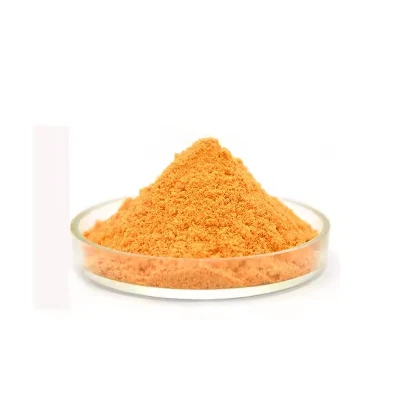
QM-PH is supplied as a 95% solid grade. This offers formulation flexibility compared to ethylbenzene solution grades, avoiding the flammability and storage constraints of pre-dissolved liquids. From a hazard communication standpoint, QM-PH carries the following CLP Annex VI harmonised classification:
- Skin Sensitisation, Category 1 (H317)
- Aquatic Chronic, Category 4 (H413)
- Signal word: Warning (GHS07)
Regulatory Note: Some commercial safety databases may list additional classifications (e.g., H302). Always refer to the lot-specific SDS provided with your shipment for the adopted classification.
Transport classification is not regulated as dangerous goods (UN# N/A). Appropriate PPE should be used during handling, and the solid should be stored in a dry, well-ventilated area below 30°C.
Technical FAQ
Conclusion
The shift from DNBP to QM-PH (CAS 7078-98-0) is a managed transition that requires attention to staging, analytical control, and column-specific tuning. The mechanistic advantage of quinone methide chemistry-direct radical trapping without nitrogen introduction-translates into lower inhibitor mass, reduced effluent burden, and a cleaner downstream profile. For plants evaluating this transition, the staged co-injection protocol and residual concentration targets outlined above provide a practical framework for maintaining column reliability.
Facing column fouling or evaluating a DNBP switch?
Share your operating conditions with our technical team. We can provide a feasibility assessment based on your specific column profile.
Discuss Your Column ConditionsSource & Citation:
Alfa Chemical Technical Service Team. (2026). Technical Guide: Transitioning from DNBP to QM-PH in Styrene Distillation. Alfa Chemical Knowledge Base. Available at: https://www.alfa-chemical.com/info/dnbp-to-qm-ph-transition-guide-103736147.html
Note on Data: Industrial consumption rates (e.g., 0.84 kg/t for QM-PH vs. 1.42 kg/t for DNBP) and control targets are reference values derived from published industrial case studies and internal testing. Actual operational parameters must be validated on-site.